
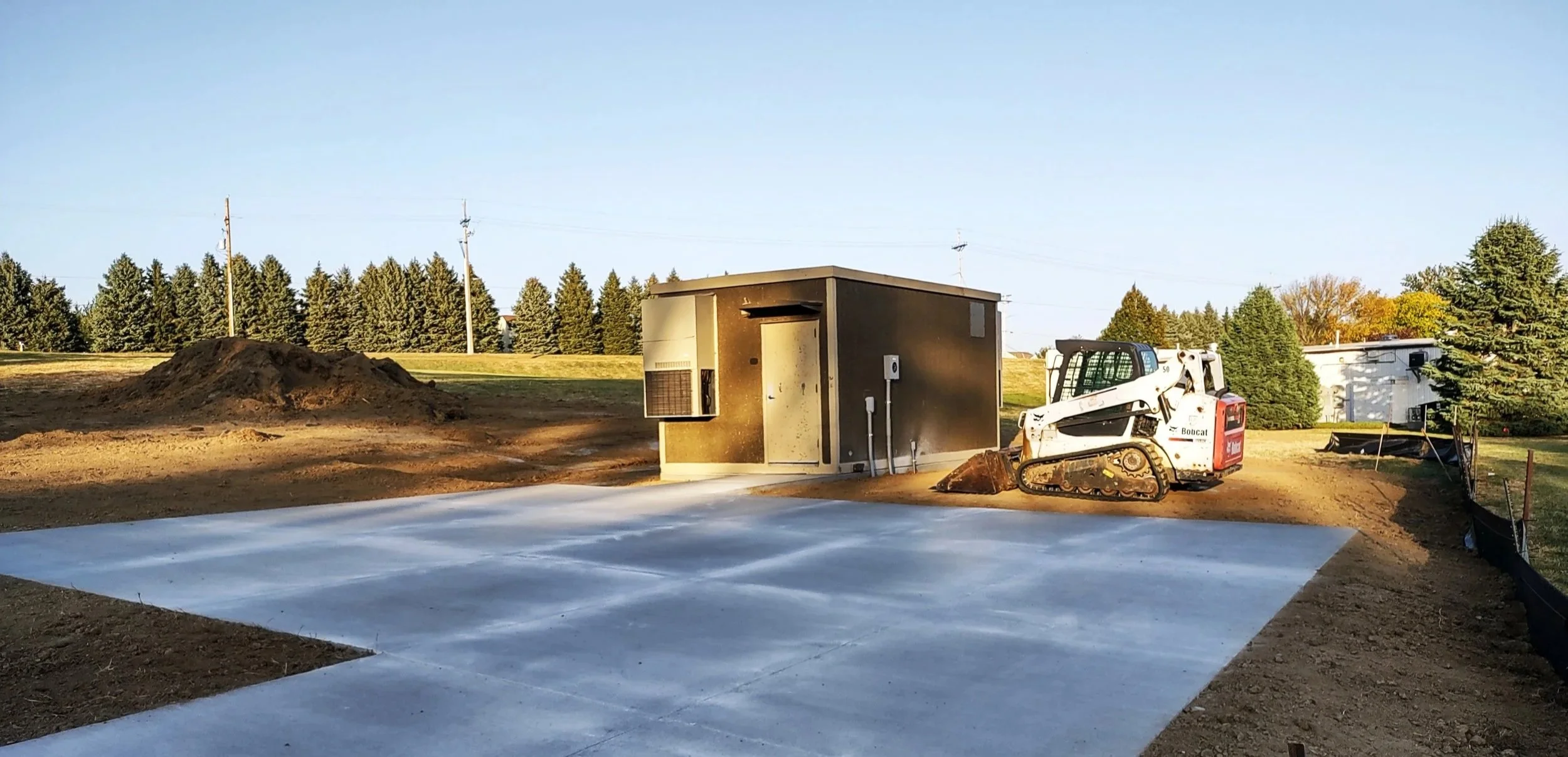
Shelter & Fiber Network Regeneration Services
Reliable Connectivity Across Long-Distance Networks
Long-haul and regional fiber networks can experience signal degradation over distance, impacting performance, reliability and capacity. eX² Technology provides fiber network regeneration solutions that restore signal strength, support long-distance connectivity and help ensure uninterrupted network operations. To date, we have designed hundreds of shelter sites that operate across the nation.
With these strategically placed regeneration nodes, signal regeneration technologies and optical amplification infrastructure have helped carriers, utilities, hyperscalers, public agencies and enterprise organizations maintain network performance while supporting scalability.
Restoring signal quality at key access points allows owners and operators to extend network reach, improve data center connectivity and overcome capacity constraints while maintaining reliability.
eX² Technology’s shelter and regeneration solutions help partners:
Mitigate signal degradation across long-distance routes
Improve network resiliency & network redundancy
Support route diversity between critical locations
Reduce the risk of single points of failure
Enable scalable, high-capacity network growth
Turnkey Network Regeneration Solutions
Fiber network regeneration plays a critical role in maintaining a high-performing optical transport network. eX² Technology works with partners to design and deliver diverse regeneration services, including the identification of optimal regeneration node locations, improved route diversity and positioning infrastructure to support long-term performance needs.

Shelter Site Design & Engineering

Shelter Construction Drawing Package Development

Site Planning, Permitting & Civil Support

Power, Systems & Infrastructure Specifications
FREQUENTLY ASKED QUESTIONS
-
Yes. Regeneration can often be integrated into existing networks to improve performance, extend network reach or support increased bandwidth demands without necessarily requiring a complete network rebuild.
-
By maintaining signal quality over longer distances, regeneration helps operators accommodate increased traffic demands, expand service areas and support future technology upgrades.
-
Regeneration restores optical signal quality, while network redundancy provides alternate network paths in the event of an outage. Together, they help improve the network’s reliability and resiliency.
-
Node placement is based on factors such as route length, network design, optical equipment specifications, capacity requirements and long-term network goals. Proper placement helps maintain performance over time.
-
Regeneration shelters are commonly located along long-haul and middle-mile fiber routes, transportation corridors and other strategic locations where signal restoration is needed to maintain network performance.
-
Depending on network requirements, shelters may contain optical transport equipment, power systems, environmental controls, monitoring systems and other infrastructure that supports signal regeneration operations.
Case Studies
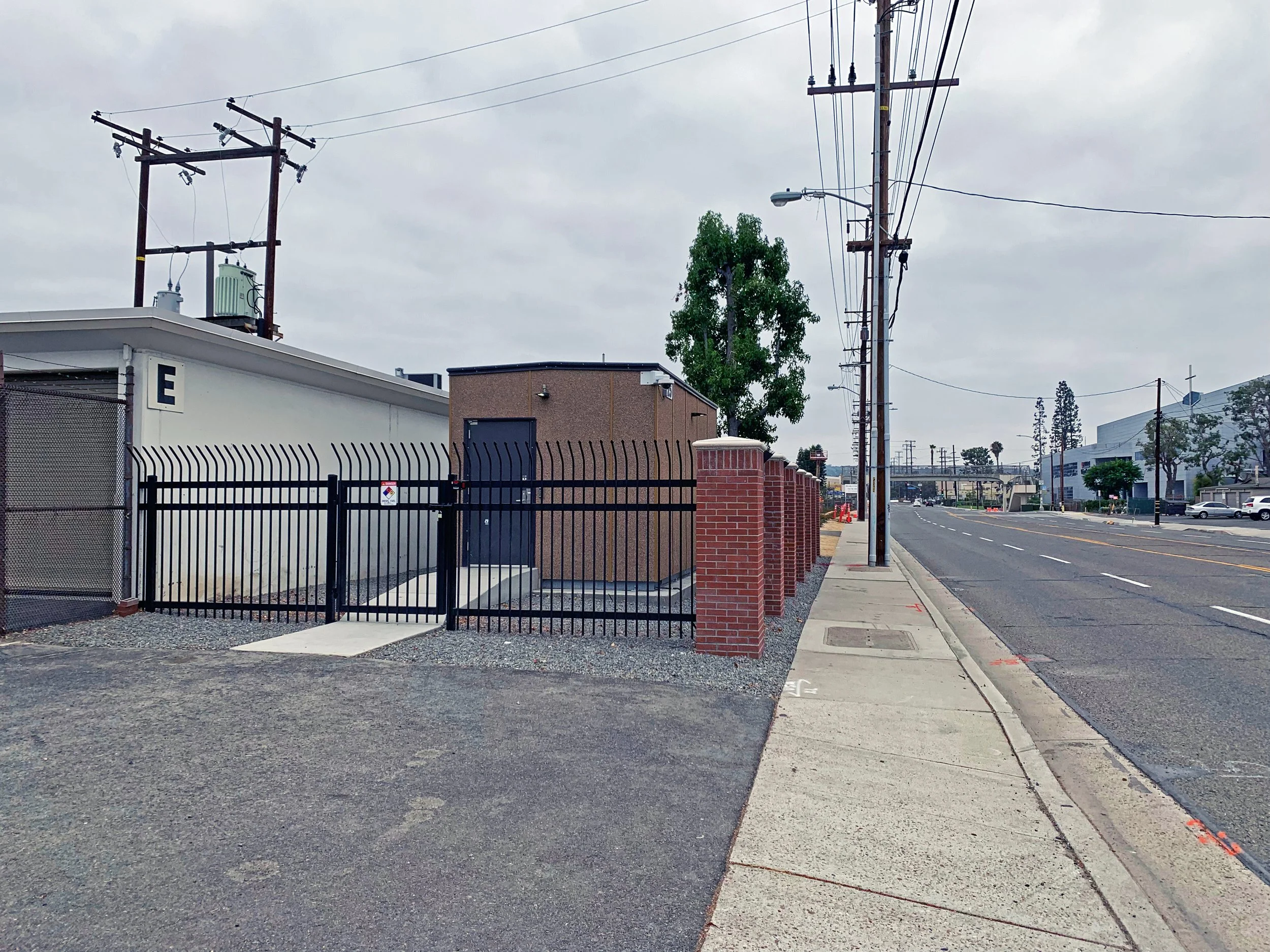
SiFi Networks: Shelter & Regeneration Sites
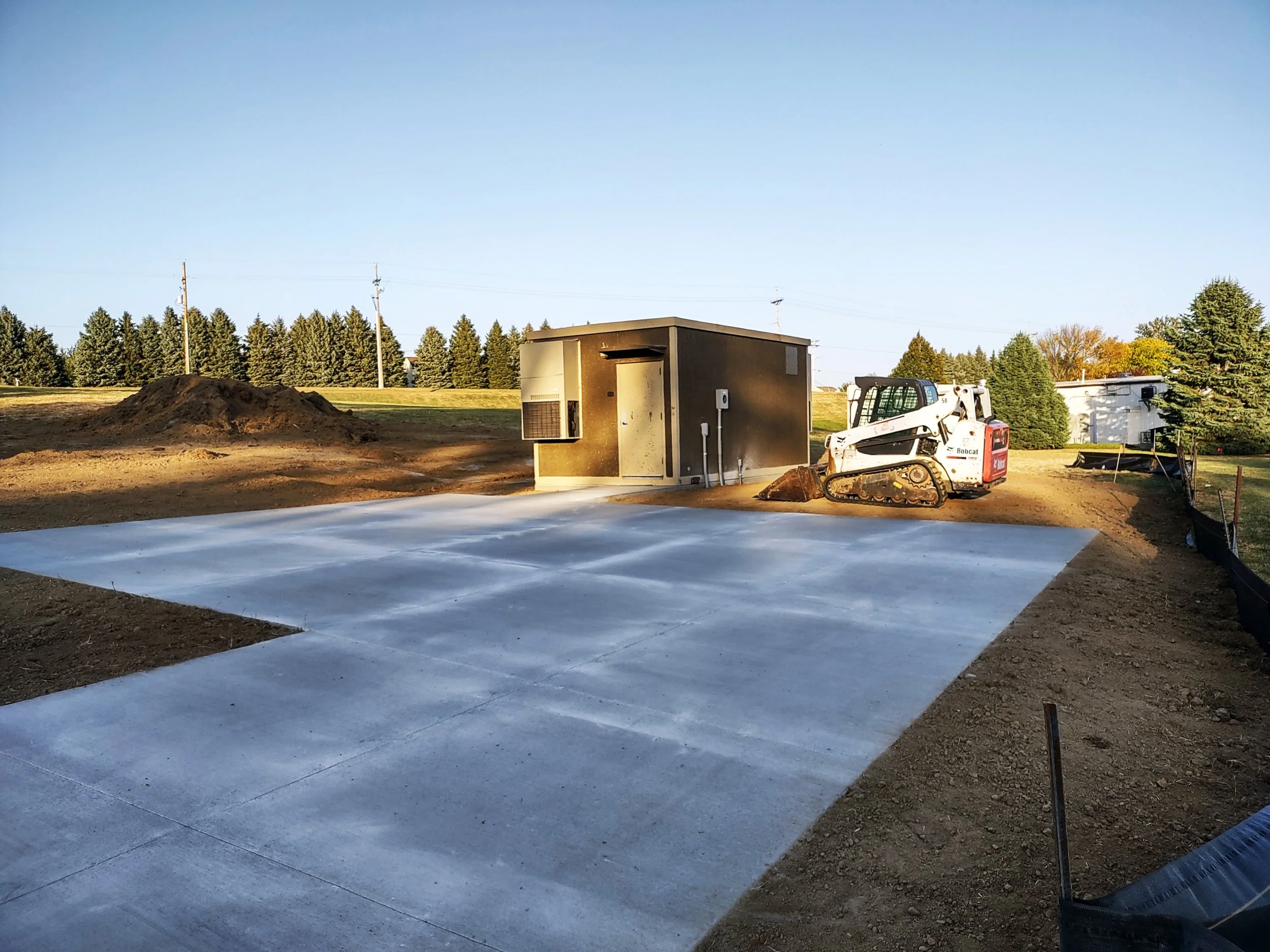
Bellevue, NE: Shelter & Regeneration Sites
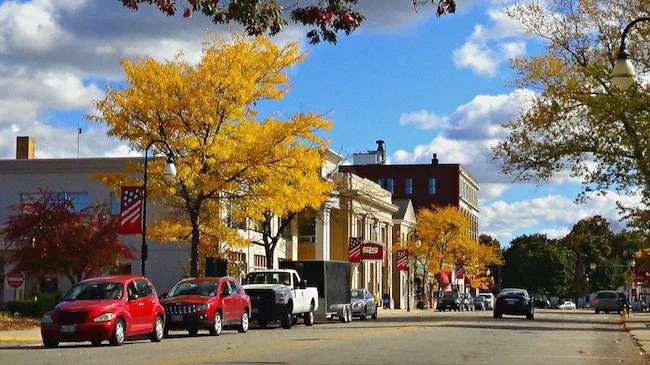
Sanford, ME: Teleco Room
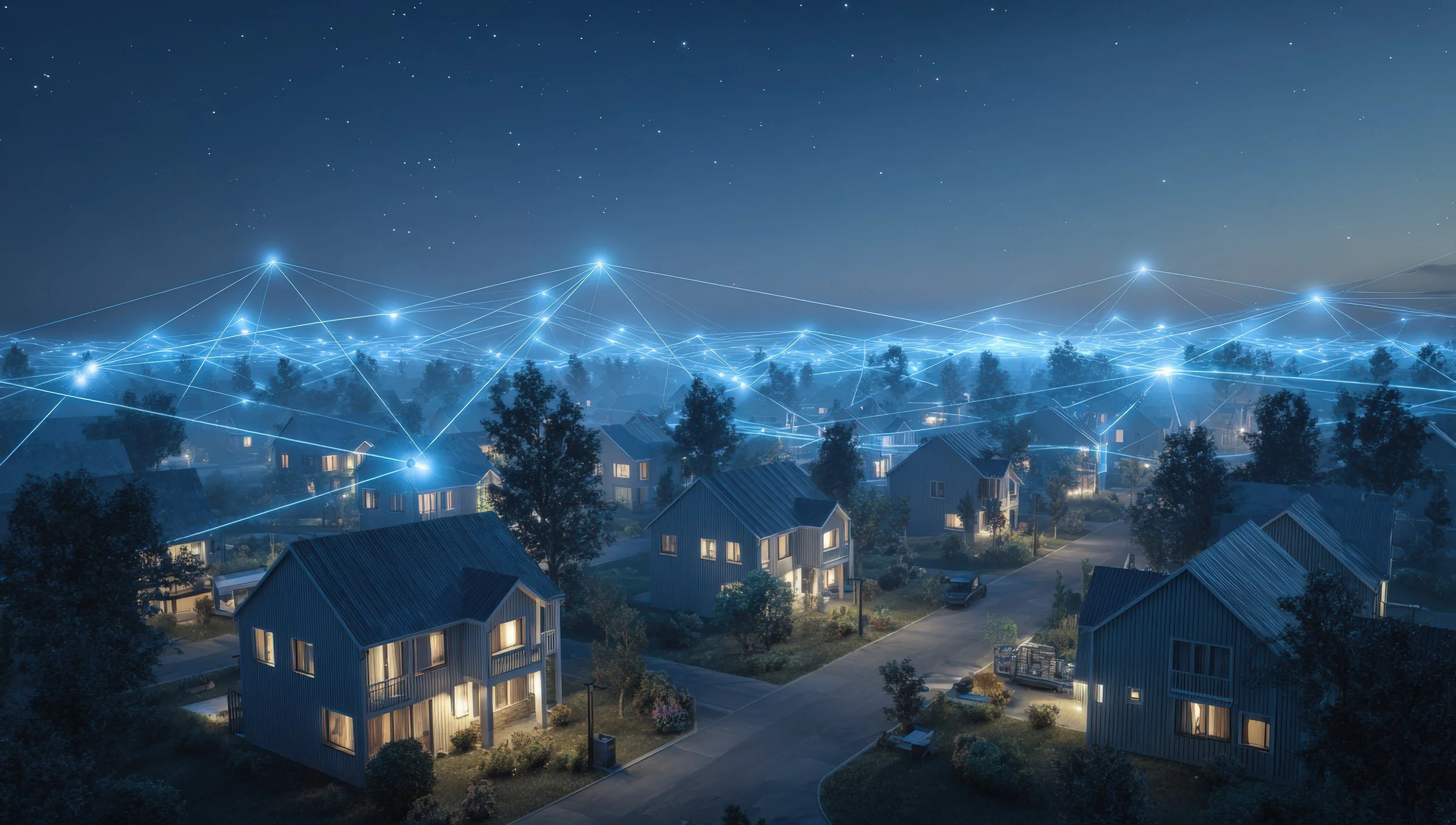
MetroNet: Shelter & Regeneration Sites
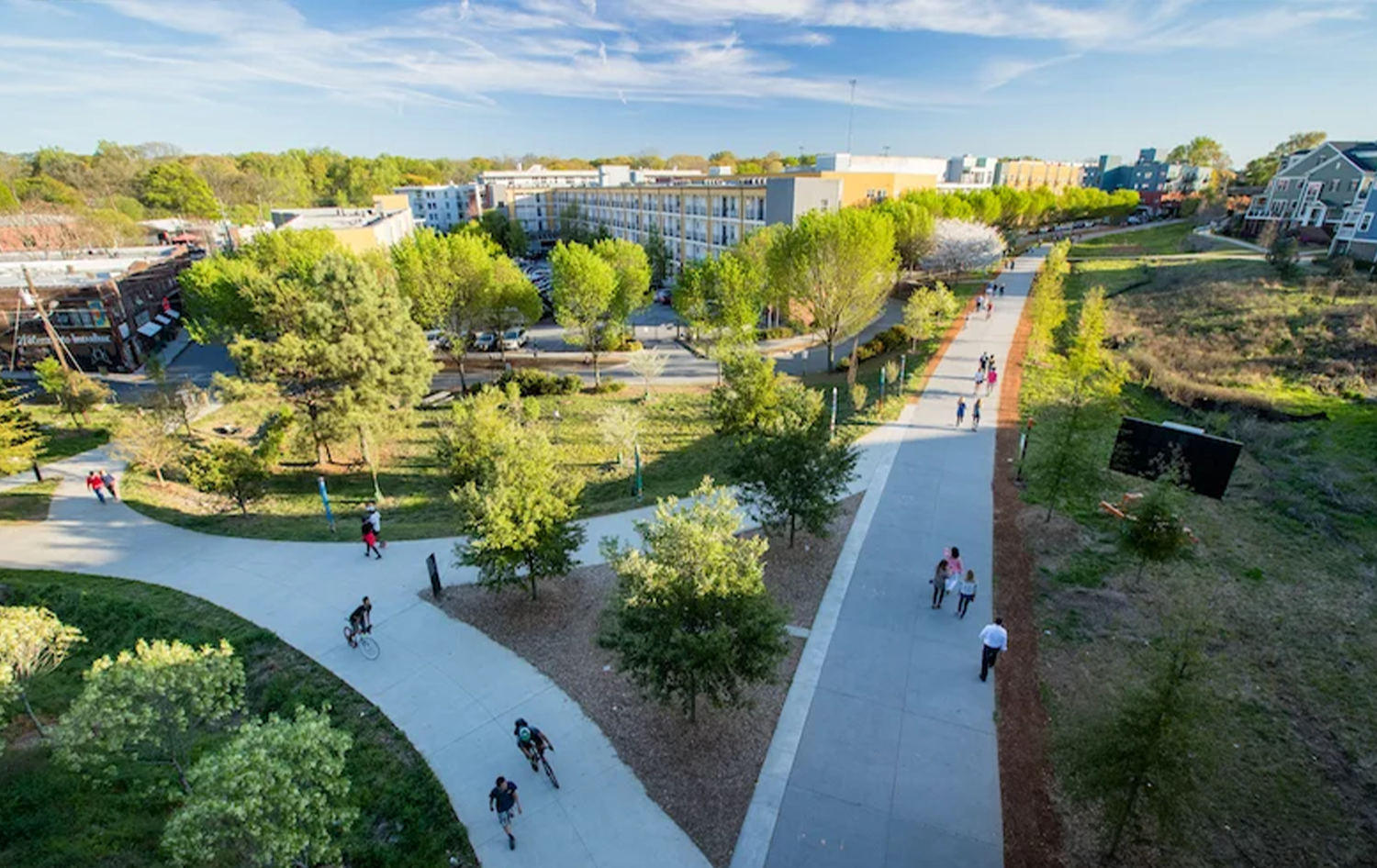
Atlanta Beltline: Teleco Room
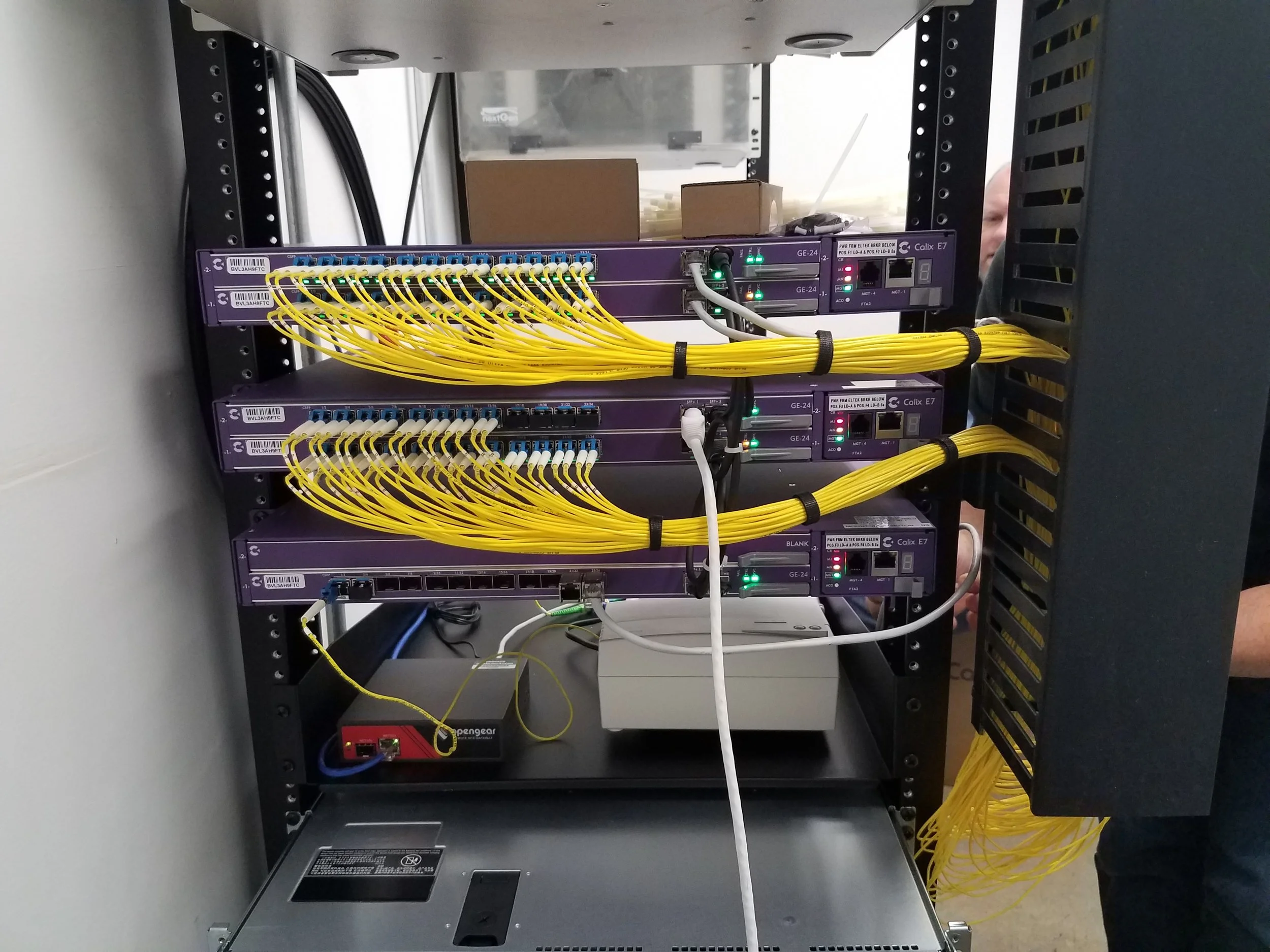
Mount Washington: Teleco Room
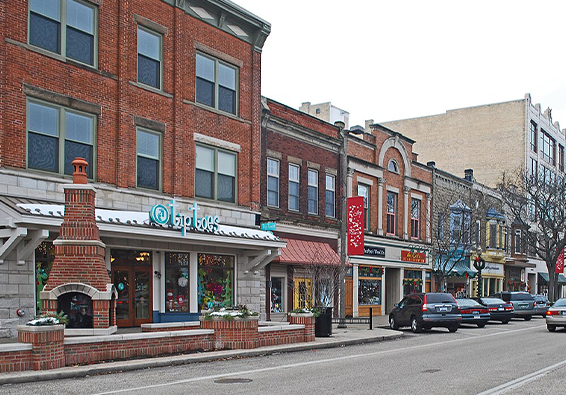
Holland, MI: Teleco Room